
❋
Identity architecture
❋
Designing organizational coherence for founders and institutions whose growth has outpaced their positioning.
Organizations thrive when there is a coherent system.
As organizations grow, programs, departments, leaders, and partnerships evolve independently. Over time, each begins operating from a slightly different understanding of the mission.
The result is fragmented decision-making, disconnected experiences, and a loss of trust.
AI can generate presentations, websites, and documents in minutes. But a collection of well-designed assets is not the same as a coherent organizational system.
Identity Architecture is the foundation for firm modernization, aligning identity, communications, and operational systems so organizations can scale with clarity.
I modernize how professional-services firms present, organize, and communicate their expertise.
-
Identity Architecture™
For organizations, leaders, and ideas that are powerful but not yet coherent.
Most organizations don't have a communication problem.
They have a coherence problem.
Identity Architecture identifies the invisible blueprint shaping how people understand, trust, and engage with your work—then translates those insights into strategy, language, and organizational direction.
Organizations leave with:
Greater organizational coherence
Clearer positioning
Stronger strategic narratives
Better decision-making alignment
A practical roadmap for growth
-
Identity Architecture is designed for:
Organizations navigating growth or transformation
Leadership teams seeking greater alignment
Foundations and nonprofits clarifying mission and impact
Brands developing new narratives or strategic direction
Institutions experiencing fragmentation across teams, language, or priorities
Founders whose vision has outgrown the way it is currently expressed
-
Strategy Session
A focused engagement for founders, executives, and organizations seeking clarity around positioning, messaging, or strategic direction.Organizational Identity Architecture
A consulting engagement that aligns mission, strategy, communication, and internal systems into a coherent organizational framework.
Ideal for nonprofits, foundations, institutions, and purpose-driven organizations navigating growth or change.Cultural Frameworks
Research, keynotes, workshops, editorial projects, and custom frameworks that help organizations understand emerging cultural patterns and translate them into strategic action.
applied Projects
Identity Architecture in practice
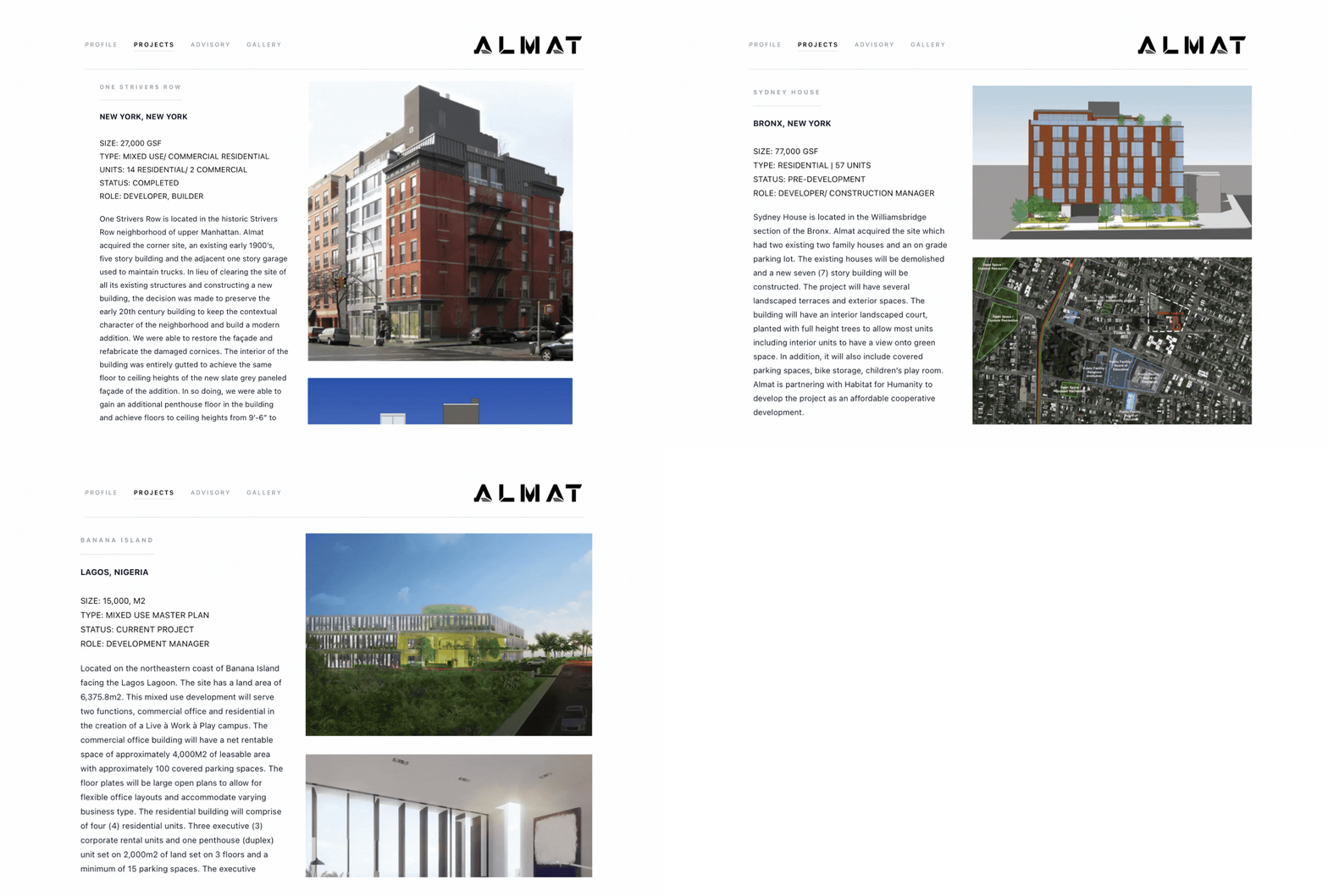
Built EnvironmentALMAT Group | Real Estate Development | NYC• Lagos
Designed the information architecture and visual experience for a New York real estate development firm, organizing projects, capabilities, and firm narrative into a clear digital experience.
View Project
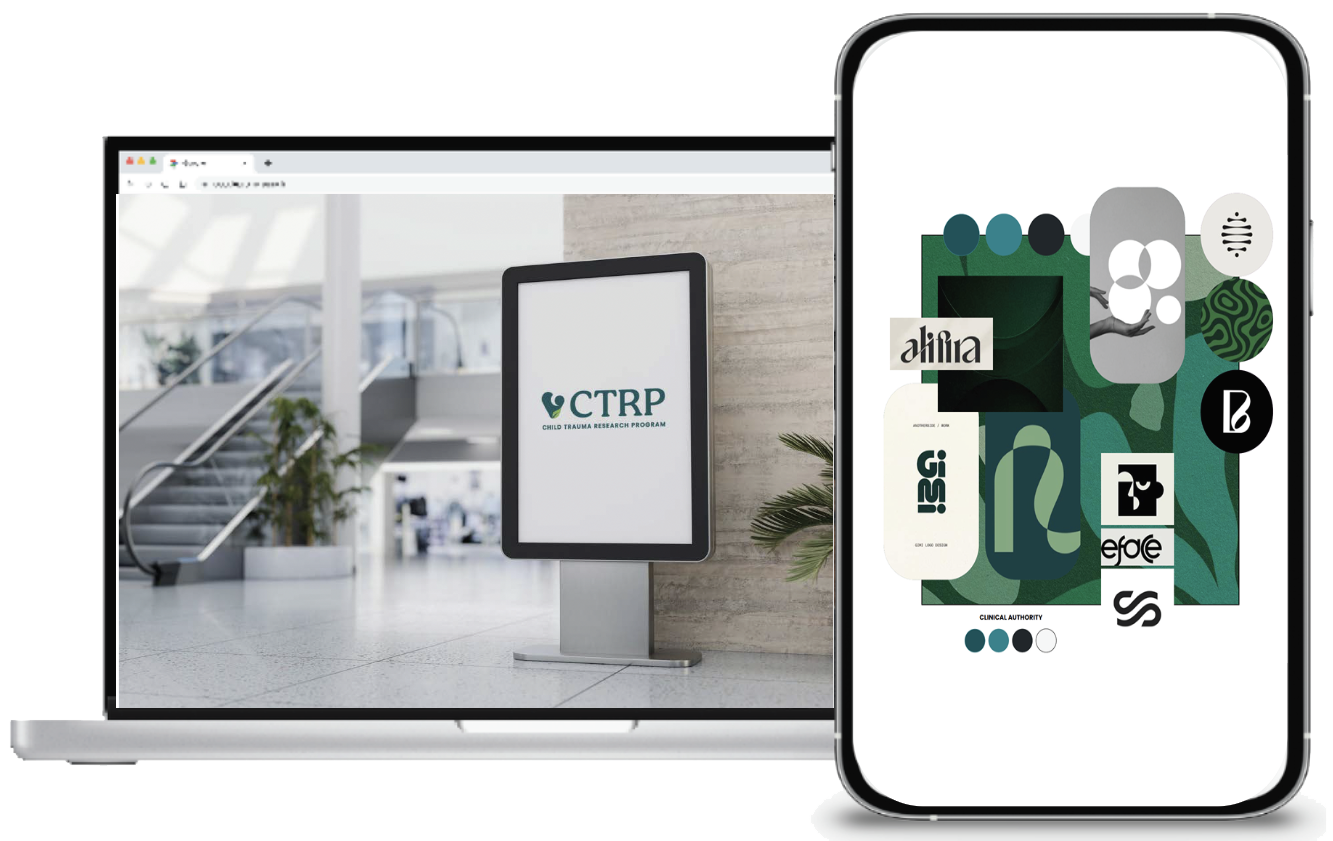
Research Institution Child Trauma Research Program | California
Created an organizational identity system that unified multiple initiatives into a cohesive visual and communication framework.
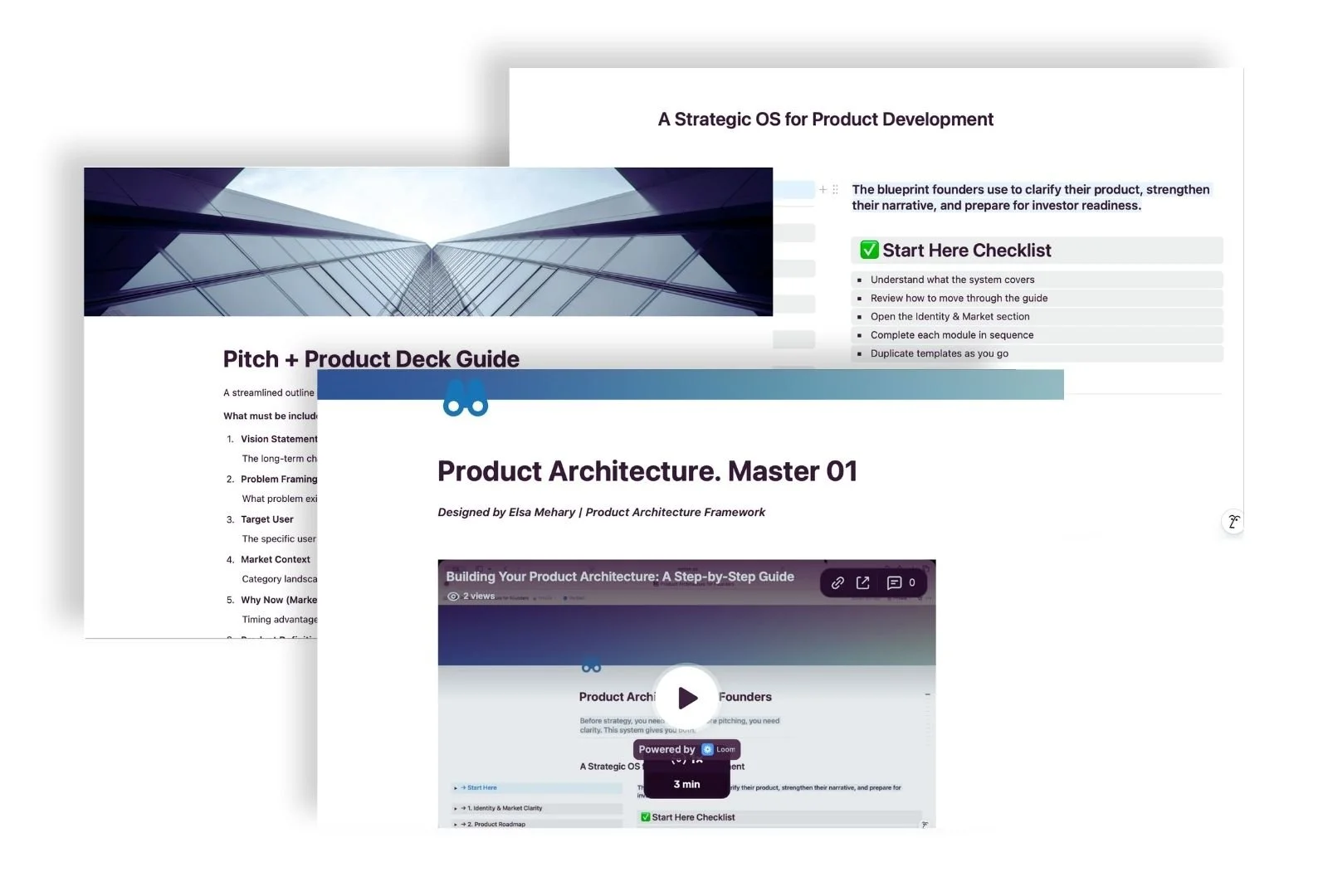
Product SystemsEdTech Project Architecture | Doha, Qatar
Designed a strategic operating system in Notion that translated product strategy into a structured workflow for founder decision-making, product development, and investor readiness.
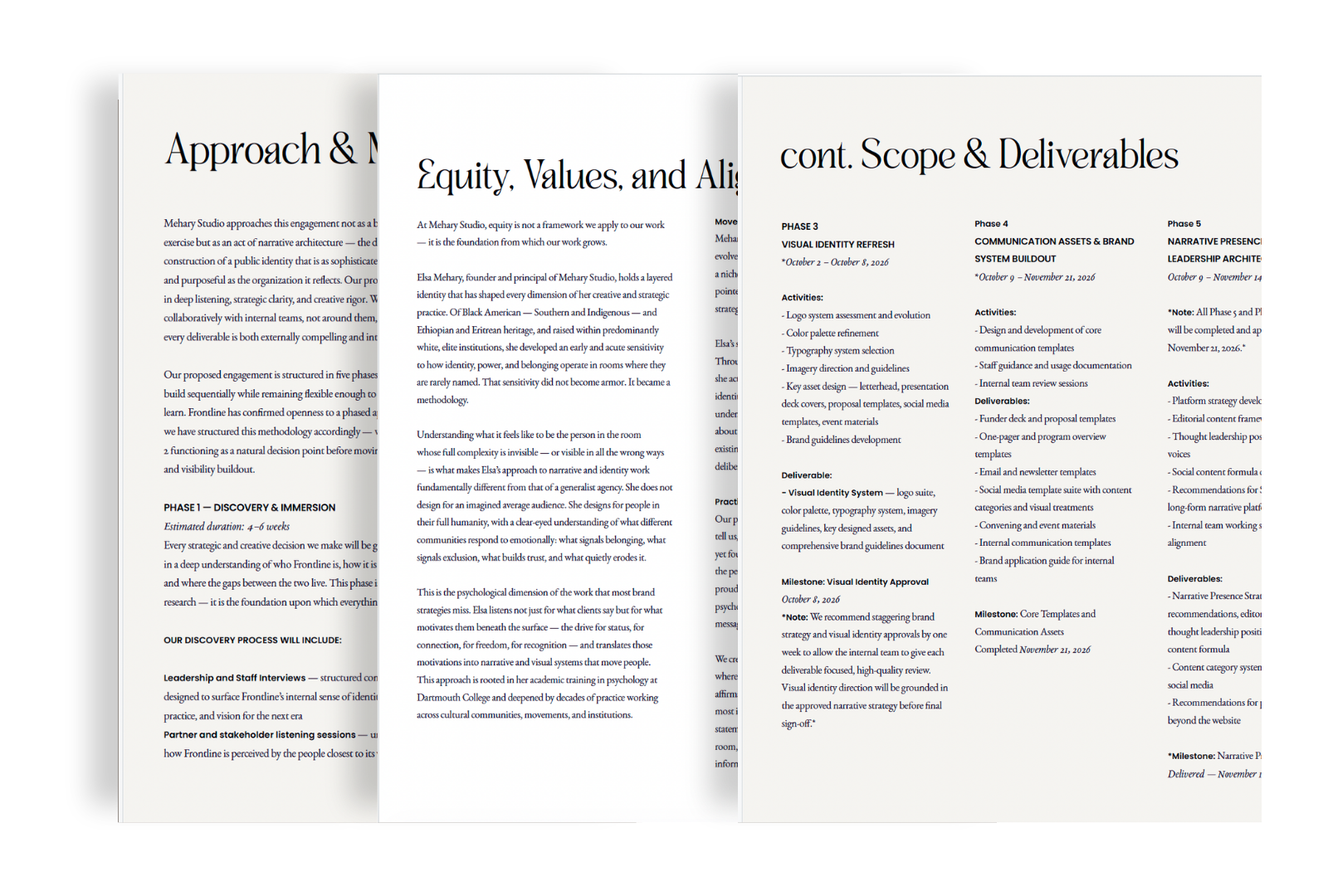
Proposal Strategy DevelopmentFrontline RFP | NYC
Developed the proposal strategy, narrative structure, and phased implementation plan for a complex organizational engagement, translating research into a persuasive client-ready proposal.